Aventura Immigration Lawyer: Professional Visa & Residency Attorneys for Workers
Seasoned Immigration Advocate: Manage Your Process to U.S. Residency With Confidence
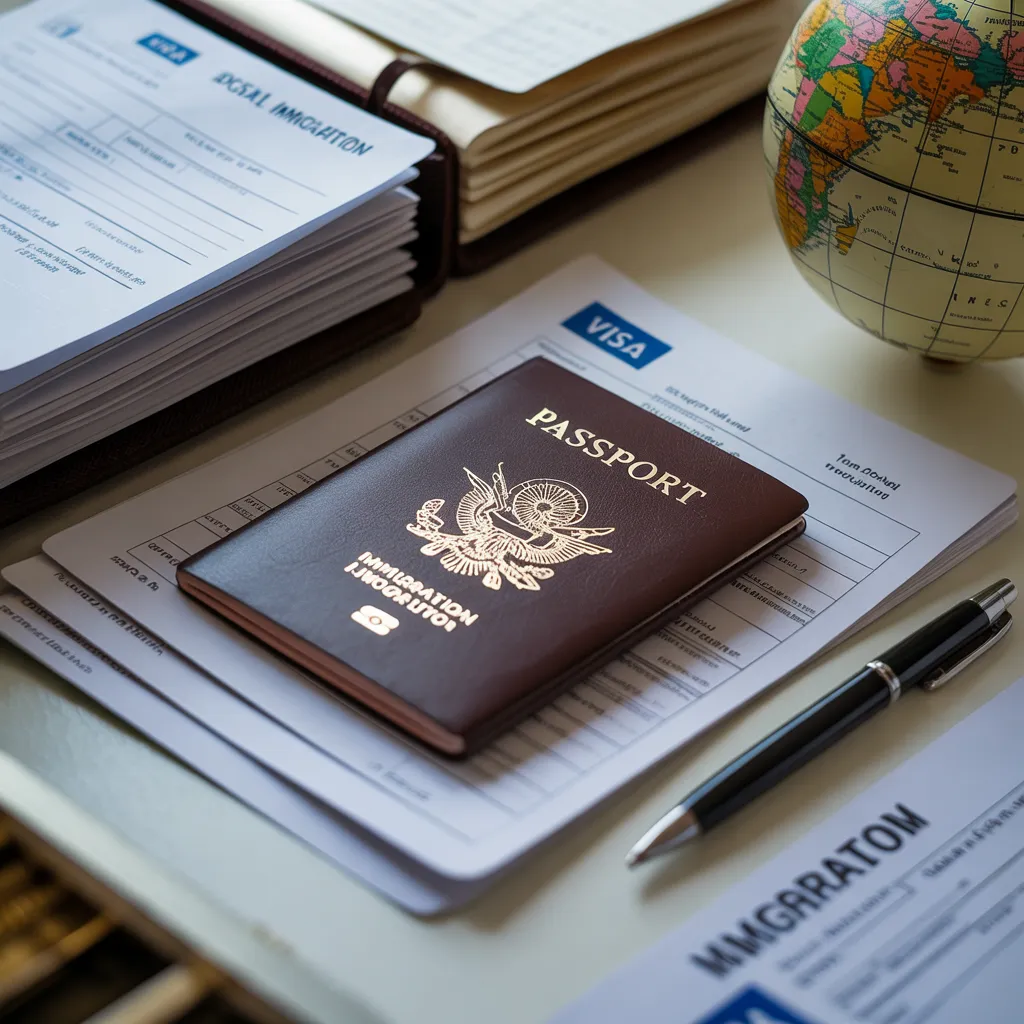
Traversing the U.S. immigration process can be disconcerting. An adept immigration lawyer delivers essential guidance in lightening this journey. They assess individual cases and personalize strategies to address unique needs. From preparing essential documents to championing clients in hearings, their expertise is vital. Understanding the finer points of immigration law can shape outcomes. Yet, many still wrestle with challenges in determining the right representation. What key factors should one contemplate in this decision?
Grasping the Significance of an Immigrant Legal Professional
An immigration lawyer plays an essential role in traversing the complex landscape of immigration law. They offer valuable guidance to individuals maneuvering through the intricate processes involved in obtaining visas, permanent residency, or citizenship. By comprehending both federal and state regulations, these legal professionals help clients avoid common pitfalls and ensure adherence to immigration laws.
Immigration attorneys assess individual cases, tailoring strategies to meet particular requirements. They compile and submit required paperwork, represent clients in hearings, and liaise with immigration authorities on their behalf. This advocacy is vital, especially in cases concerning deportation or lawful disputes.
Furthermore, immigration attorneys remain informed about legislative and policy modifications, which can significantly affect their clients' cases. Their proficiency not only streamlines the immigration process but also instills confidence in clients, enabling them to focus on their fresh starts in a new nation.
Primary Immigration Alternatives: Professional Visas, Family Sponsorship, and Resident Status Cards
Throughout the domain of immigration, diverse channels are obtainable for people desiring to forge their futures in a new country. Work visas offer employment opportunities, while kinship sponsorship options support reunification with nearest and dearest. In addition, the pathway to obtaining a copyright provides a more permanent solution for those seeking to settle long-term.
Varieties of Employment Visas
Comprehending the various types of work visas is essential for people pursuing employment prospects in a foreign nation. In the United States, multiple categories exist, each designed for specific purposes and qualifications. The H-1B visa, for example, allows employers to provisionally employ foreign workers in specialty occupations. Conversely, the L-1 visa enables intra-company transfers for employees of multinational companies. The O-1 visa caters to individuals with extraordinary ability in their fields, while the TN visa is specifically for Canadian and Mexican citizens under the USMCA. Additionally, the E-2 visa offers opportunities for similar information investors and their employees. Each visa type has distinct requirements and application processes, making it vital for prospective applicants to understand their options thoroughly.
Family Sponsorship Alternatives
relatives such as spouses, children, and parents—who receive preference—benefit from a streamlined application system. In addition, family members of U.S. citizens can typically skip waiting periods, though other relatives may experience extended timelines because of annual visa caps. Understanding the required eligibility requirements and required documentation for each category is essential for successful applications. Legal counsel can aid work through
Process for copyright
Locating the path to copyright encompasses diverse immigration choices, including work visas and family sponsorship. Employment-based copyright generally necessitate an job offer from a U.S. employer and may require employment verification to show no suitable U.S. workers are accessible. On the other hand, family-based immigration allows U.S. nationals and lawful permanent residents to petition for their relatives, with preference granted to immediate family members. Furthermore, specific humanitarian programs, including asylum or refugee status, offer pathways for securing a copyright card. Each pathway has specific qualification requirements and procedural steps, necessitating thoughtful evaluation and often professional counsel. Comprehending the various pathways enables individuals to traverse the intricacies of American immigration regulations effectively.
What You Should Understand During Your Relocation Experience
Maneuvering the immigration journey can typically be a complex and challenging process. Individuals should anticipate multiple stages, each requiring thorough preparation and meticulous focus. First, applicants will collect required documents, such as identification, financial records, and proof of relationships or employment.
Once applications are submitted, candidates might encounter a holding period, during which their cases are handled by immigration authorities. This phase can vary in duration based on the kind of visa or residency status requested.
Interviews are another crucial component, where applicants must make their arguments in person. During this stage, questions concerning their background, intentions, and eligibility are common.
Throughout the process, candidates should stay updated about any changes or inquiries from immigration officials. Perseverance and attention to detail are essential, as the process can involve unforeseen obstacles. Understanding these elements can assist people traverse their path with greater confidence and clarity.
Key Advantages to Hire an Immigration Counsel for Your Matter
Navigating the complexities of immigration can be daunting, making the support of an immigration lawyer a worthwhile resource. First and foremost, immigration lawyers have expert understanding of the complex laws and regulations governing U.S. immigration. This expertise allows them to navigate potential obstacles that applicants might overlook.
Moreover, an immigration lawyer can impart personalized legal advice aligned with individual facts, assuring that clients make informed decisions throughout the process. They can also support the preparation of critical documentation, reducing the chance of errors that could lead to postponements or refusals.
Additionally, attorneys can represent with skill clients during interviews and hearings, advocating for their rights and interests. Their experience in dealing with government agencies can facilitate improved communication and help expedite cases. Ultimately, hiring an immigration attorney can heighten the prospects of a successful outcome, supplying reassurance during a arduous process.
Selecting the Best Fit Immigration Law Advisor for Yourself
Finding a qualified immigration attorney is critical for navigating complex legal processes. It is vital to take into account the attorney's credentials and experience, as well as their expertise in immigration law. These elements can significantly impact the result of your case and ensure effective advocacy.
Professional Standing and Professional History
Choosing an visa lawyer requires detailed consideration of their background and experience. Those looking for legal help should search for lawyers who have a Juris Doctor (JD) degree from an accredited law school and are licensed to practice in their state. Membership in professional organizations, such as the American Immigration Lawyers Association (AILA), can also indicate a commitment to staying updated with immigration law. Experience in handling cases similar to one’s own is essential; this includes familiarity with specific visa types and processes. Also, good client feedback and a strong record of successful cases help validate a lawyer's expertise. Ultimately, deep research into a lawyer’s background supports informed decisions within the complex immigration arena.
Specialization in Immigration Law
Finding the right immigration lawyer largely depends on their area of expertise in immigration law. Immigration law is complex and ever-evolving, requiring attorneys to stay well-informed on regulations and policies. A lawyer dedicated in immigration can provide custom advice and strategies catered to individual needs, whether it involves family-based visas, employment sponsorship, or asylum applications. This skill set guarantees the lawyer is knowledgeable about nuances that could greatly affect a case's outcome. Additionally, specialized lawyers often have strong relationships with immigration officials, boosting communication and performance. Clients should seek attorneys with a successful history in their specific area of need, ensuring they receive informed guidance and effective representation throughout the immigration process. This specialized method is essential for maneuvering the often complex U.S. immigration landscape.
Strengthening Your Position: Inquiries You Should Ask to Your Immigration Lawyer?
How can individuals guarantee they are well-prepared for meetings with their immigration lawyer? One effective strategy is to compile a collection of relevant questions that cover their unique circumstances. Key inquiries might include: "What are my choices for obtaining residency?" and "What potential challenges should I expect in my case?" Clients should also ask about the lawyer's expertise with similar cases and the expected timeline for their application process.
Additionally, it is essential to understand the costs required. Questions such as, "What are your fees, and are there any hidden expenses I should be cognizant of?" can clarify financial expectations. Clients should also inquire about communication preferences, such as how often they can expect communication and the best ways to reach their legal representative. By asking these inquiries, individuals equip themselves with understanding, making sure a more productive collaboration with their immigration legal representative.
Often Posed FAQs
What timeframe can you typically anticipate from the copyright procedure?
Immigration procedures typically require multiple months or even years, determined by the type of visa, your individual situation, and how long processing takes. Things to keep in mind like how complete your application is and security background checks can significantly shape the overall duration.
What Represent the Charges Involved in Engaging an Immigration Lawyer?
Costs pertaining to hiring an immigration lawyer customarily run $100 to $500 per hour, influenced by background and locality. Incidental expenses may contain intake costs, filing fees, and potential retainers for extensive assistance.
Is it Possible to File for Legal Residency Without Professional Assistance?
Yes, individuals can request residence without a attorney. However, maneuvering through the complicated legal matters and guaranteeing precise documentation may prove difficult, increasing the risk of postponements or rejections in the application process.
What Occurs if My Request Gets Rejected?
If an application is turned down, the person applying receives a notification detailing the causes. They may dispute the determination or try again, addressing the issues raised. Getting professional legal advice can help clarify possibilities and improve future applications.
Are Travel Restrictions In Place During the Application Process?
Travel limitations during the application period vary based on individual circumstances. Applicants should generally avoid international travel, as departing from the United States may jeopardize their status and affect their pending application for residency.